
Building Worlds That Feel Real
AR and VR development starts with understanding spatial design and user perception. This seminar walks through the fundamentals without shortcuts.

Who This Helps
Game Designers Ready to Expand
You understand gameplay mechanics and level design. You want to apply that knowledge to spatial computing where users move through environments differently. This bridges your existing skills to AR and VR workflows without starting from scratch.
Not for Complete Beginners
This assumes you already know basic 3D modeling and have worked with game engines before. We skip introductory explanations and focus on the specific challenges of immersive design. If you are still learning Unity basics, this will move too fast.
What Changes After This
The gap between traditional game development and immersive experiences is not about technology alone. It is about rethinking how users perceive depth, distance, and interaction when they are inside the world you build.
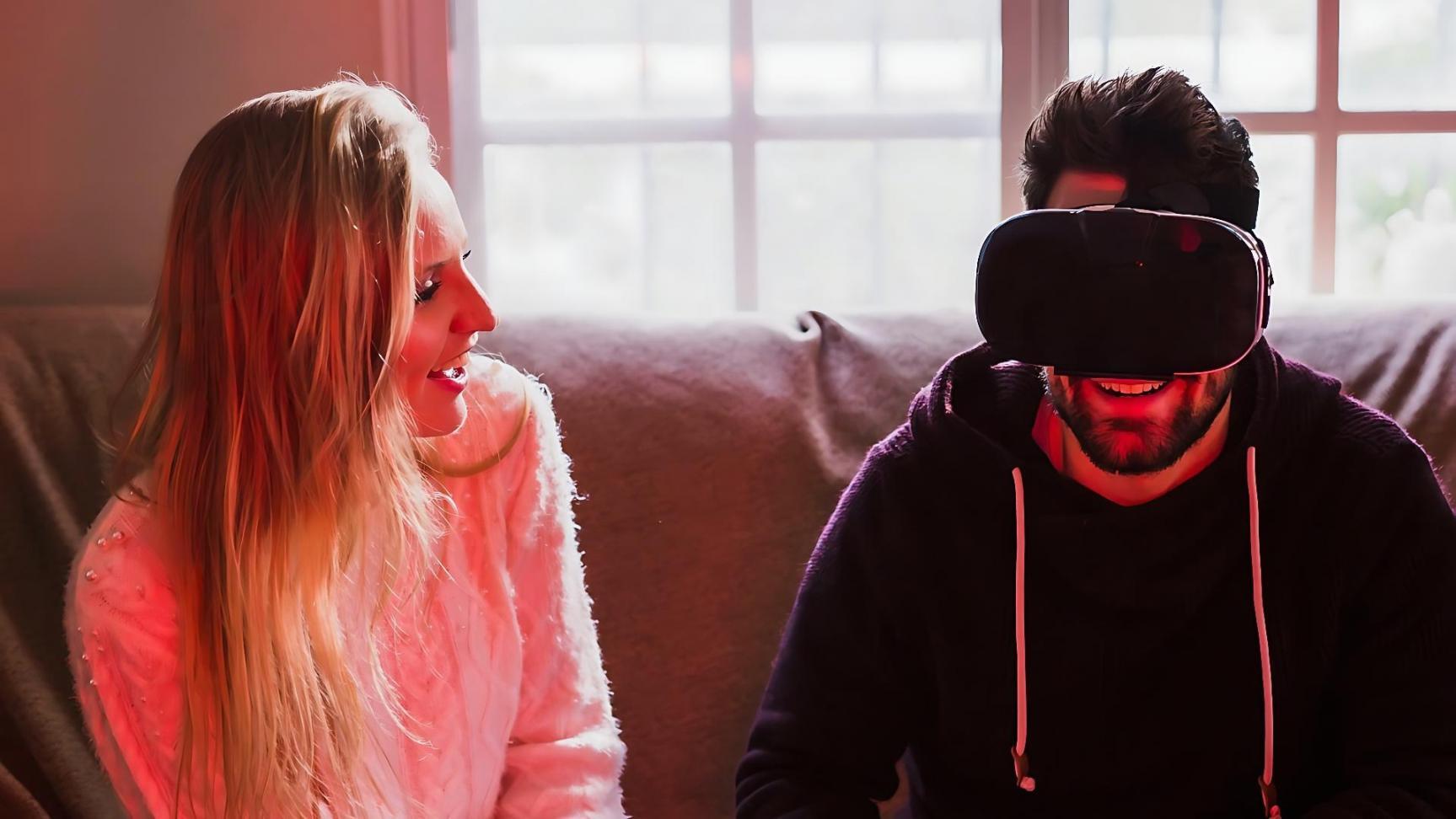
Spatial Awareness Over Flat Screens
You stop designing for screens and start designing for physical space. Objects need proper scale, lighting reacts to user position, and navigation follows natural human movement patterns.
Performance Without Compromise
Immersive experiences demand higher frame rates and lower latency than traditional games. You learn optimization techniques that maintain visual quality while meeting hardware constraints.
User Comfort as Design Priority
Motion sickness and disorientation are real problems in VR. You understand how to design movement systems, camera behavior, and UI placement that keep users comfortable during extended sessions.
Recognition in the Field
Total instruction time across program modules
Combined industry experience of lead instructors
Portfolio pieces built during seminar sessions
238
Participants completed the program since 2016
92
Now work in AR/VR roles at studios or as independent developers